


New Arrival
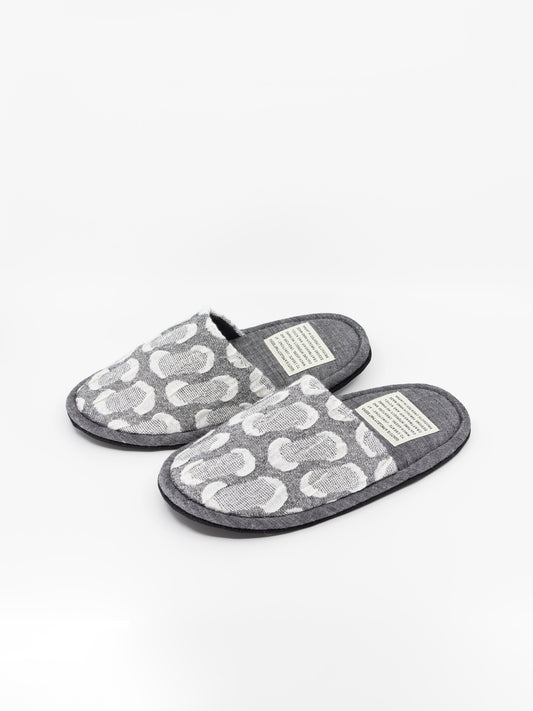
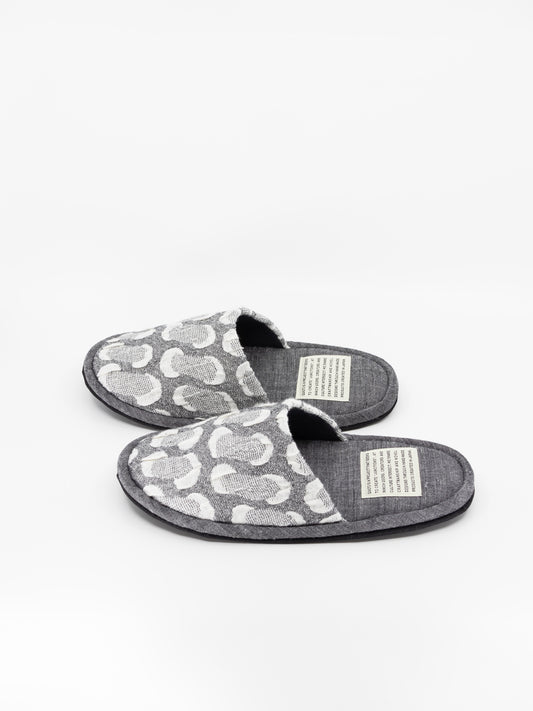
EGG SLIPPER -Rope Work-
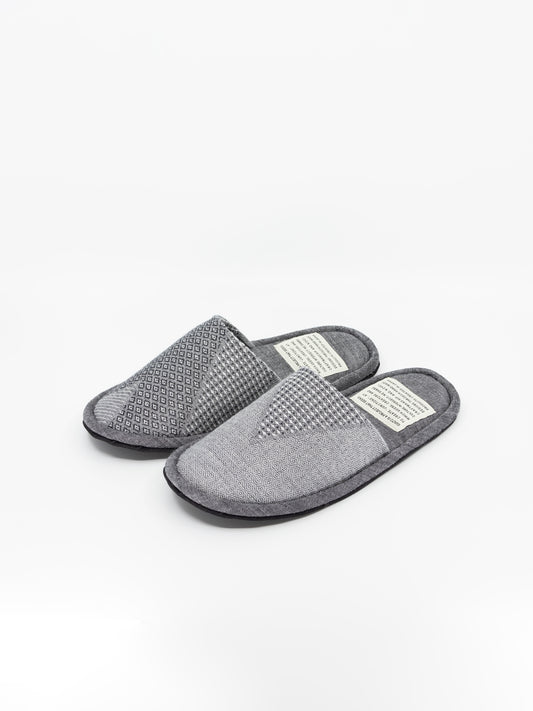
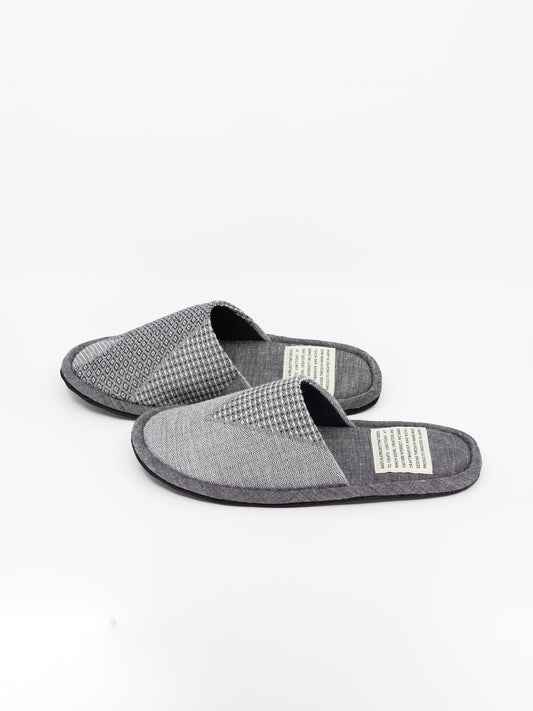
SLIM SLIPPER -Ribbed Cotton-

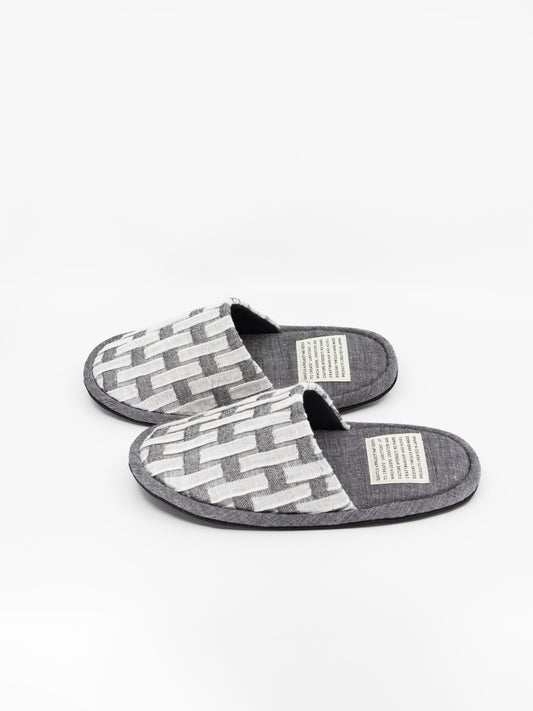
EGG SLIPPER -Wood Joinery-
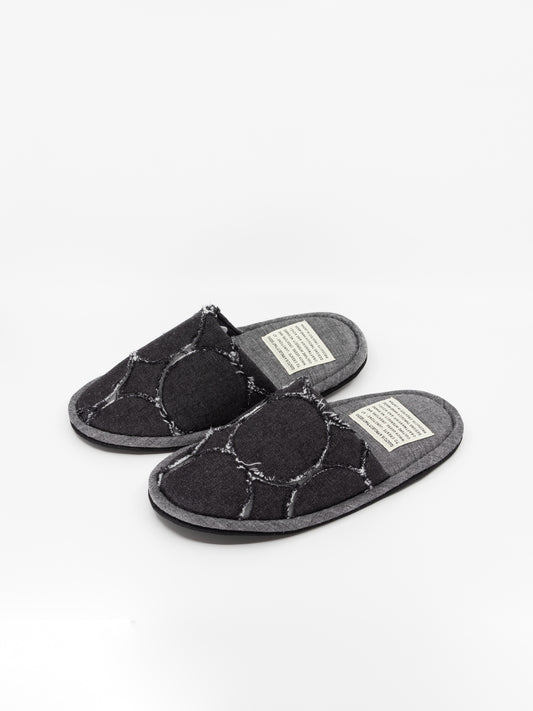
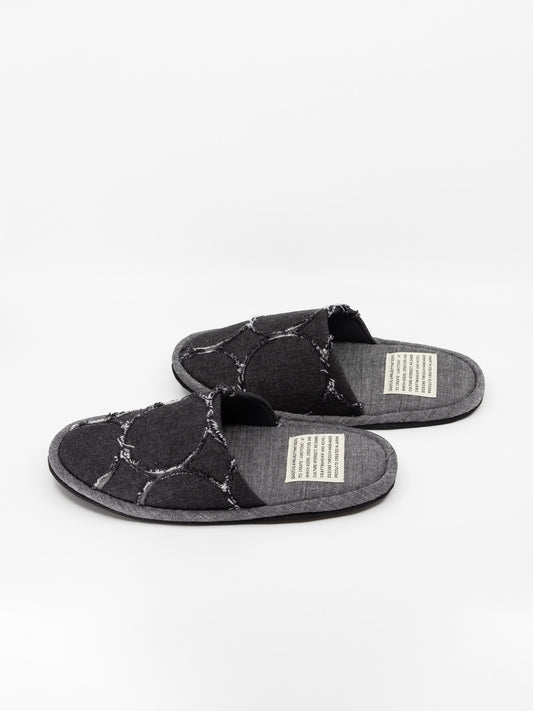
EGG SLIPPER -Cracked Denim Hoop Toss-
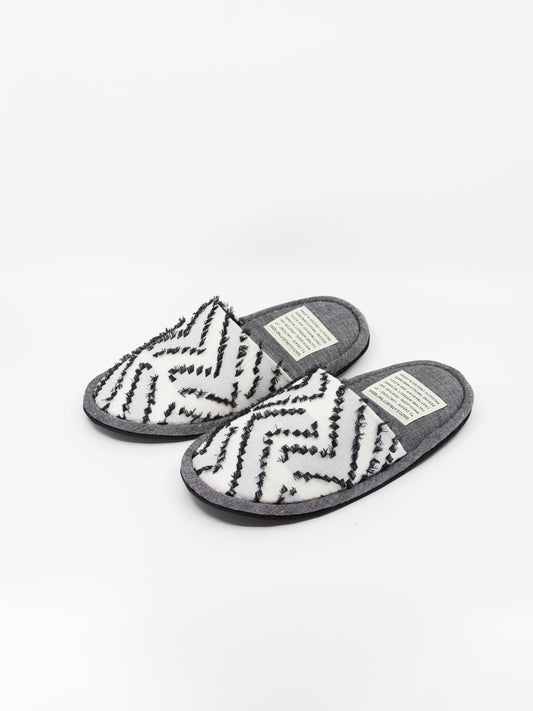
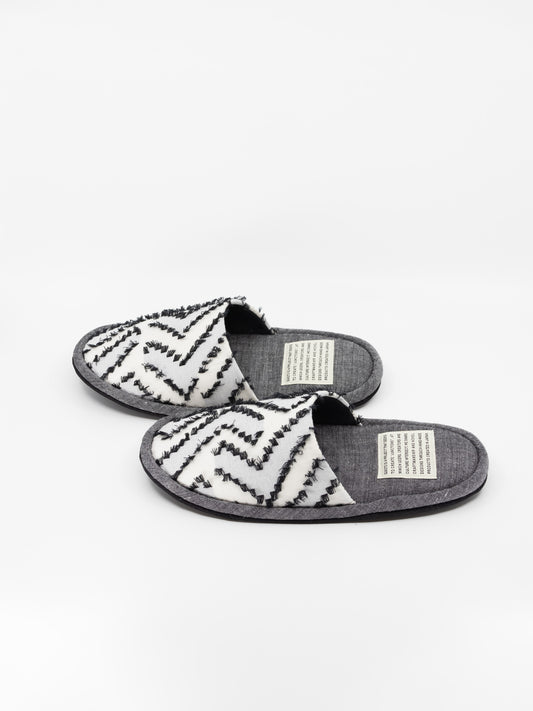
EGG SLIPPER -Diamond Darts-
Journal
-

Raising a home, making things – STUDIO THE BLUE BOY | House of Blue Boy
Keisuke Shoda is an art director who creates works both in Japan and overseas. STUDIO THE BLUE BOY, which he founded, is a brand that combines traditional Japanese crafts from various regions with modern design. It offers products that utilize the craftsmanship of each region, such as rugs woven in Kyoto, incense produced in Tochigi, incense holders made from Hasami ware in Nagasaki, and tatami mats from Fukuoka.Shoda, who originally worked as an art director, started crafting when he began thinking, "I want to create things I want to make," and held his first solo exhibition in Paris. From there, his work gradually expanded to include rugs, ceramics, and fabrics. Today, his refined craftsmanship is supported both domestically and internationally.Currently, Shoda is working on a project called The House of Blue Boy. It is a house gallery that he and his partner are gradually furnishing in Shizuoka, with a view of Mt. Fuji. Everything placed here, from interior decorations to furniture, including Mino ware tiles made in Tajimi, stained glass brackets made in New Zealand, and original outdoor chairs woven with polyester rope onto an aluminum frame, are items that Shoda himself carefully selected or created, focusing on materials and usability. This house, filled only with things he loves, is an extension of Shoda's creative work. As people who love people and cherish sharing time with others, they aim to create a warm space where visitors can slowly converse. The collaboration was also sparked by The House of Blue Boy. Shoda, who had created Banshu-ori cotton fabric for a sofa, wondered if it could be incorporated into everyday items. He consulted Hasegawa, the representative of QUILTO, whom he admired, and that's how it began. "The basis of my craft is to create things that are practical, comfortable, and pleasant to the touch, always from the user's perspective," says Shoda. Since the sofa in his Tokyo home was made of polyester, and he was concerned about stuffiness and skin irritation in the summer, he chose 100% cotton Banshu-ori for The House of Blue Boy sofa due to its pleasant feel. However, cotton has durability challenges as a sofa material. Therefore, he collaborated with the fabric manufacturer to add resin processing to ensure its strength. This approach, starting from the user's sensation and working with craftsmen who understand the properties of materials, is typical of Shoda's method. Banshu-ori, which developed mainly in Nishiwaki, Hyogo, is a Japanese weaving culture that creates delicate colors and patterns with pre-dyed yarns. It is a familiar production area for Shoda, as STUDIO THE BLUE BOY has already used it in several products, such as sachet fabrics. The pattern of this fabric is an abstract combination of circles, squares, and ovals, inspired by the nature surrounding The House of Blue Boy, such as mountains, trees, and lakes. By using white for the warp and combining two shades of blue, a gradient is expressed. It doesn't obstruct the view from the large windows of the house, yet it's not simply plain. As Shoda says, "It's meaningless to weave if it's too plain, and it won't blend into the space if it's too intense." This balance was carefully considered, starting from the selection of thread colors. The blue gradient, chosen with conscious thought to harmonize with nature, based on The House of Blue Boy's color palette of ice blue, madder, and pastel green, gives the slippers a soft yet definite presence.Shoda had also been using QUILTO's EGG SLIPPER. His idea to incorporate this Banshu-ori fabric into slippers stemmed from his desire to share a little of The House of Blue Boy's atmosphere in everyday life. It's not just a product, but something that subtly changes the atmosphere of a space. This resonates with what QUILTO values. Underlying Shoda's craftsmanship is the desire to "not create things that will quickly bore people and be thrown away." He creates durable items by carefully selecting materials and collaborating with craftsmen. He believes that the strength of Japanese traditional crafts and folk art lies there, and that by bringing in new perspectives from outside and elevating them through design, "completely new things" are born. He mentioned that this is the current palette, but it might change with time, and he's okay with that, which left a strong impression.The House of Blue Boy aims to be a place where creators gather, and dialogue and ideas are born through works and craftsmanship from around the world. Visiting The House of Blue Boy and listening to Shoda's stories, and seeing these Banshu-ori slippers placed in that space, reaffirmed that this project is truly special.PHOTO & TEXT by Wataru Tsuchiya (Studio QUILTO)EGG SLIPPER × STUDIO THE BLUE BOY using Banshu-ori cotton fabric. Limited quantities will be available for purchase online at STUDIO THE BLUE BOY at 21:00 JST on May 12.EGG SLIPPER - House of Blue Boy / Day - price ¥13,200 (tax included)EGG SLIPPER - House of Blue Boy / Night - price ¥13,200 (tax included)
-

Textile and People | YURI HIMURO
YURI HIMURO is a Tokyo-based textile brand led by designer Yuri Himuro. The brand creates unique and exciting original textiles, and also handles client work such as providing designs for companies and producing spatial designs. YURI HIMURO's textiles bring surprise, emotion, and comfort to those who touch them, much like a novel that weaves a story into the fabric itself. Designer Yuri Himuro's playful designs that bring smiles to people's faces, her unique techniques, and her attempts to build new relationships between textiles and people are at the core of this brand. With a father who worked in design, design was always close at hand for her from a young age. She went on to study textile design at Tama Art University, and then pursued a master's degree to deepen her knowledge of textiles. "Even when studying design, I thought it would be good to work with something familiar and interactive. Textiles are very familiar and can be found in various parts of the house. I thought that by studying textile materials and designs, I could propose new products." A one-year exchange program at Aalto University in Finland during her first year of graduate school significantly changed her approach to textiles.There, she learned about Jacquard weaving, which allows for free instruction of warp and weft overlaps, enabling three-dimensional and pictorial designs. While learning the techniques locally, Himuro was captivated by the freedom and possibilities of Jacquard weaving. After returning to Japan, she continued to build a new world of textiles in collaboration with factories across the country. Her works are sprinkled with inspiration gained from everyday scenery and interactions with local people during her studies abroad, such as the beautiful landscapes of Lapland in northern Finland and experiences on ice-covered lakes after saunas. Looking at textiles woven with such scenery makes you feel as if you are enjoying that very moment with her. SNIP SNAP After returning from Finland, she created three series as graduate school projects: SNIP SNAP, which changes when cut with scissors; motion textile, which changes patterns depending on the viewing angle like an accordion picture; and HIDE AND SEEK, where patterns seem to play hide-and-seek on the front and back.In particular, SNIP SNAP became emblematic of her subsequent approach to textiles. It releases stories and surprises hidden within the fabric by cutting them with scissors. "Rather than creating beautiful fabrics, I wanted to create surprise and enjoyment in the relationship between people and fabric." Scrap Material as a Resource One of YURI HIMURO's active initiatives is the reuse of scraps and waste materials generated during the production process. Instead of simply discarding them, they are reinterpreted as new textile materials.These materials, each with a different character, are organically breathed new life into by Himuro and her staff member Misaki Noguchi. The slippers (EGG SLIPPER -LINT01) are made from waste materials produced at the factory during the production of the BLOOM blanket series. While this recycling attempt suggests sustainable production, it seemed more that they were genuinely enjoying the intrinsic charm of the materials themselves, judging by their expressions when discussing scraps and their creative process. Through Textiles YURI HIMURO doesn't just see textiles as mere fabric. They are something that enriches daily life and builds new relationships between users and products. "I create simply with the desire to entertain people. What kind of fabric would surprise them, or bring them joy? I think the surprise of something changing can be conveyed without words, from small children to people overseas. I really enjoy creating such things." Through international exhibitions and lectures, she shares her charm with the world. Her textiles have the power to move people's hearts across cultures.Through her works, we can feel the infinite appeal of textiles and the warmth, joy, and importance of "everyday life."It's like being in a story woven into the fabric by her own hands.When I visited her studio in downtown Tokyo and interviewed her, I had the impression that she was not what you would typically expect from a creator, in a good way. She was not exclusive or pretentious. She spoke kindly and entertained us. Her sensibility and personality are what make the world exciting through her textiles. It was truly a wonderful time again.

